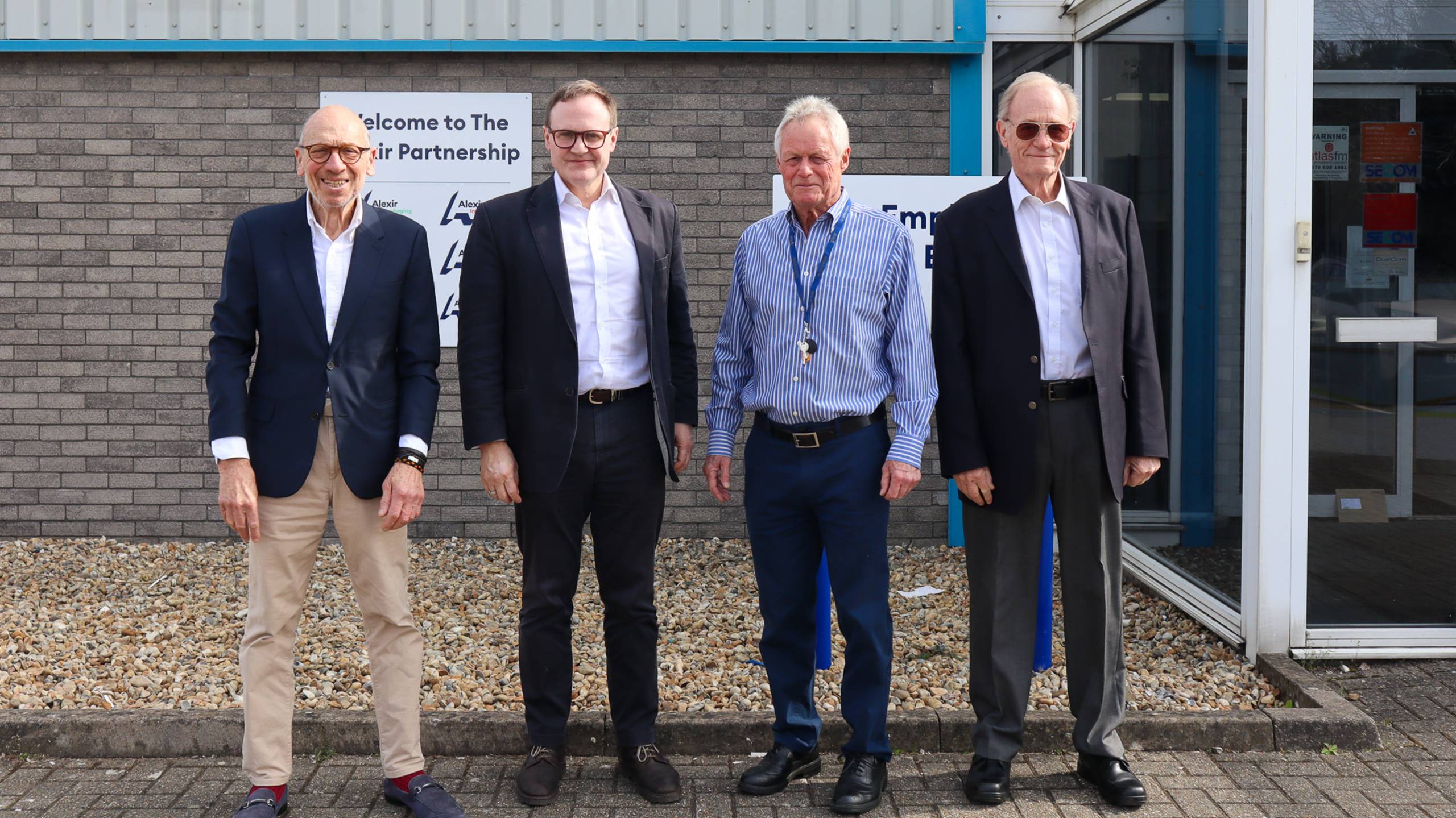
A senior Conservative MP has voiced support for ensuring the UK’s new packaging system works fairly for British businesses, following a visit to Alexir Partnership’s packaging facilities.
Tom Tugendhat, MP for Tonbridge, met with the Packaging Federation at our site to discuss the implementation of Extended Producer Responsibility (EPR) for packaging.
The discussion focused on concerns that elements of the current system risk place disproportionate costs on compliant UK businesses, with knock-on effects for consumers and the cost of living.
A threat to the progress of sustainability
Industry representatives also raised concerns that the structure of EPR fees – particularly their basis in weight – may be distorting material choices and, in some cases, reversing previous progress towards more sustainable packaging solutions.
Martin Kersh, CEO of the Packaging Federation, said:
“There is strong support across the industry for the objectives of EPR, but the system must be fair, enforceable, and aligned with how the supply chain operates in practice. At present, there is a risk that responsible UK producers are carrying a growing share of the costs, while aspects of the system may be working against both economic and environmental objectives.”
Our founder and Chairman, Robert Davison, provided a manufacturer’s perspective:
“It is essential that the system operates on a level playing field. We are seeing real cost pressures coming through. The way fees are structured has created unintended consequences running counter to investments we’ve made aimed at achieving improved environmental outcomes.
Packaging policies must be effective, fair and proportionate
Following the meeting, Tugendhat emphasised the importance of ensuring the system works for both the environment and the economy.
Tom Tugendhat said:
“It’s vital that environmental policy is effective, but also fair and proportionate. We need to ensure that the system supports responsible UK businesses, does not add unnecessary pressure to consumer prices, and genuinely delivers the environmental outcomes it is designed to achieve.”
Industry representatives highlighted concerns around enforcement gaps, including the treatment of imports and the potential for misreporting, as well as the interaction of de minimis thresholds with overall system fairness.
The meeting underlined the importance of continued engagement between policymakers and the industry to ensure the system remains both credible and effective as it is implemented.